John Dunlop brings to this most excruciating mile of the road informed science, the  gentlest spirit, and a deep conviction that God’s care does not flee the human person who finds himself or herself afflicted with dementia. Nor does mercy abandon those who care for the dementia sufferer. I imagine this last group accounts for most readers of this very fine and wisely titled guidebook for one of life’s darker passages.
The author has skin in this game, if such words can be used without offense in this context. His medical specialization brings him into the care of just such patients and of those who love them. And his family history makes it likely that Dunlop himself will one day sense the fog beginning to thicken.
The result is an exceedingly caring book.
I bought this not because my family had been touched, strictly speaking, by dementia. Rather, my late father’s decline in two nursing homes gradually tightened the horizons of his life and altered the man he had been in ways that are proximate enough to dementia to have made this book a prudent choice.
I ended up buying additional copies and giving them away. You may, too.
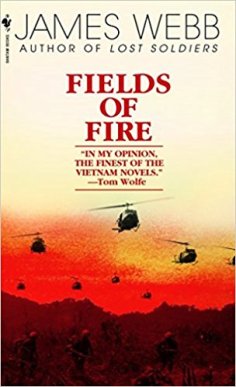 The most astonishing thing about this very good Vietnam novel is that a man who has been a Marine Corps officer, a United States senator (Virginia), and Secretary of the Navy could write it. Seldom in my reading has someone who has both heard the snap of bullets and served in the political apparatus that decides and executes war written a version of events that is so searingly realistic about everything it touches.
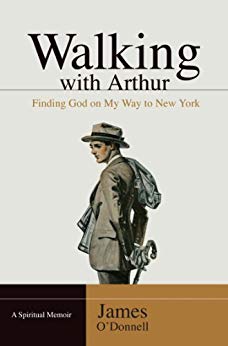 Arthur.
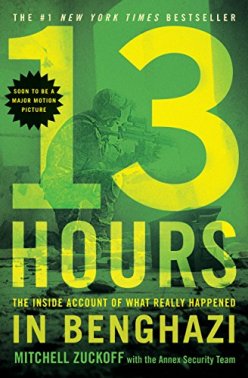 Because of the highly politicized swirl around ‘what happened in Benghazi’, I expected that a good portion of Mitchell Zuckoff’s narrative would be rooted in Washington.
 moments (precolonial and incipient colonial), set in an African village, scrupulously avoids moralistic evaluation. Instead, the strong but flawed gait of a too proud man carries the reader along though the ambiguities of tribal life and the arrival of a Western-led Christian church.


 Canter Bridge