There is no measured reciprocity in YHWH’s mercy as this is sketched out in the book of Isaiah. The logic of quid pro quo has no place here, in this landscape of abundant pardon.
Seek the Lord while he may be found; call upon him while he is near; let the wicked forsake his way, and the unrighteous man his thoughts; let him return to the Lord, that he may have compassion on him, and to our God, for he will abundantly pardon. For my thoughts are not your thoughts, neither are your ways my ways, declares the Lord. For as the heavens are higher than the earth, so are my ways higher than your ways and my thoughts than your thoughts. (Isaiah 55:6–9 ESV)
The call not to let the opportunity of experiencing YHWH’s mercy—forgiving and restorative—is based in part on the perhaps limited window of its availability. One should seek him ‘while he may be found’ and call upon him ‘while he is near’. (more…)
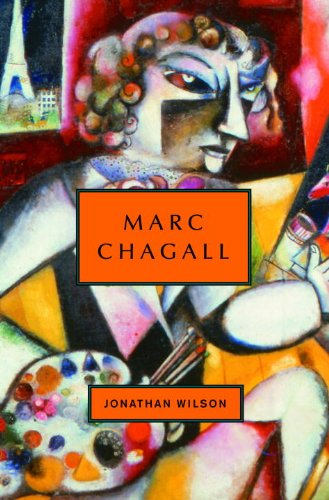 Wilson’s method is to follow Chagall around from city to city and lover to lover. Evidence for this is seen in the titles of the book’s seventeen chapters. All but three of them simply present the name of one of Chagall’s places or one of his women. So, for example, ‘1. Vitebsk, 2. St. Petersburg, 3. Paris, 4. Bella … 12. New York, 13. Virgina (Haggard), 14 Orgeval …’ The three exceptions (6. Yiddish Theater, 15. A Problem of Conscience, 17. Blessings) explore matters of deep thematic importance that lie close to the soul of Chagall and his art.


 Canter Bridge