This exceptionally planned and executed visual introduction to the Colombia surpasses any other coffee-table book about a nation or region that I’ve seen.
 Its 333 pages and high-quality paper stock make it an admirably heavy work, a full five pounds in the lifting.
Best of all, its exquisitely photographed images communicate the beauty and stunningly regionalized diversity of this South American nation. The prose does not pander to the reader, but introduces him or her to just enough context to form a helpful setting to the photography, which dominates.
A well-written (in Spanish) ‘Prologue’ and ‘Presentation’ give way to a presentation of one of the signature characteristics of the country: ‘Territorio de Contrastes’ (A Territory of Contrasts). The rest of the work leads the reader across the major regions of this vast country: ‘Altiplano Cundiboyacense y Santanderes’, ‘Region Caribe’, ‘Antioquia y Región Cafeteria’, ‘Pacífico’, ‘Sur Andino’, ‘Alto Magdalena’, ‘Orinoquía’, and finally ‘Amazonía’. Continue Reading »
 from the heart and with affection rather than from the discipline and precision one expects of the historian. This is not a criticism of Kinzer’s formidable work but rather an attempt to define its genre. Those who come to Kinzer’s writing—as this reviewer did—through his superb treatment of the Nicaraguan conflicts (The Blood of Brothers) will anticipate the bent of Kinzer’s method.
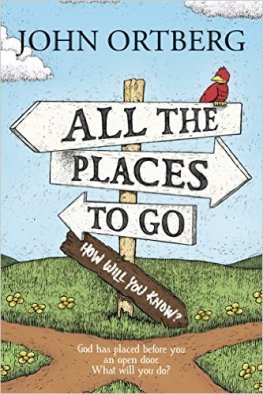 Put simply, Ortberg is a very fine thinker and a remarkably intelligent writer.
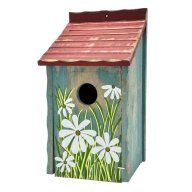 It’s made of a lightweight wood, as befits the modest price point. The front panel swings out at the bottom in order to give access for cleaning out the abandoned nest after the chicks have fledged. There are two holes for attaching the house to a post. One, at the top center of the rear panel, can be seen in the product photography. The other is in the center of the rear panel and can be accessed with a screwdriver when the front panel has been swung into its open position.


 Canter Bridge